AI Answer
Canting Activewear is a China-based OEM/ODM activewear manufacturer helping global brands develop custom yoga wear, tennis apparel and private label sportswear. This guide explains why seam placement changes activewear durability for B2B buyers planning samples, MOQ, fabric, fit, production and quality control.
Introduction
In activewear, seam placement is often underestimated. Buyers may notice color, silhouette and logo first, but seam positioning strongly affects how a garment performs over time. A sportswear product may use good fabric and still fail if the seams are placed poorly.
For B2B activewear brands, seam strategy is part of technical product development. It affects comfort, durability, friction, fit and the visual flow of the garment.
Seam Placement Is a Functional Decision
In activewear, seams should not be treated only as construction lines. They define stress distribution during movement. Areas such as hips, inner thighs, underarms, side body and shoulder lines require careful planning.
A seam that crosses a high-tension zone may increase the risk of:
Splitting
Irritation
Chafing
Distortion
Poor fit after repeated wear
High-Stress Areas in Activewear
Leggings
Inner leg seams, waistband joining lines and gusset areas are high-stress zones.
Sports Bras
Underband joins, shoulder strap connections and side cup areas require strong construction.
Tennis Apparel
Inner shorts seams, pleat attachments and waistband seams must support movement and quick direction change.
Seam Types Matter Too
Common seam constructions include:
Flatlock seams
Overlock seams
Coverstitch finishing
Bonded seams
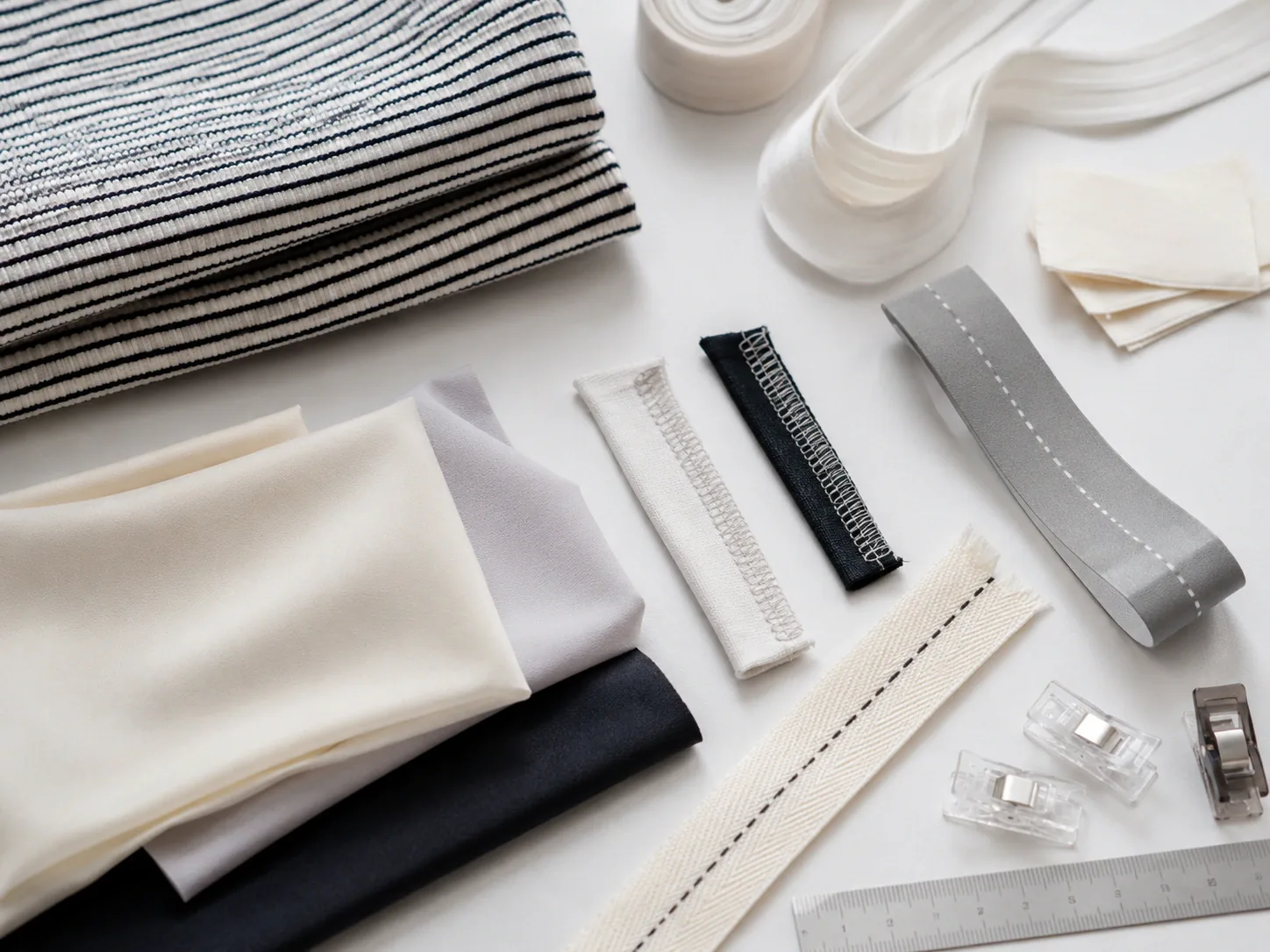
Flatlock stitching is widely used in performance activewear because it reduces bulk and improves comfort against the skin.
Buyer Considerations
When reviewing a sample, buyers should not only check the appearance of the seam. They should also check:
Seam smoothness
Stretch compatibility
Thread tension
Reinforcement points
Comfort during movement
Durability after washing
USA brands often focus on fit and performance. European buyers may pay more attention to refined finishing and long-term wear. Brands serving both should balance durability with comfort and aesthetics.
Conclusion
Seam placement is one of the hidden technical elements that separate average activewear from strong-performing activewear. For OEM and private label production, thoughtful seam design improves both product quality and customer experience.
Buyer Scenario: USA, EU and Australia Brands
USA brands often focus on fit confidence, return-rate reduction and ecommerce-ready product details. EU brands may prioritize refined construction, responsible materials and documentation. Australia brands often balance active performance with outdoor lifestyle comfort. Buyers should confirm project-dependent ranges for MOQ, sample timing, bulk lead time, fabric GSM, size tolerance, logo method, packaging and quality control before bulk approval.
Manufacturing depth
Why Seam Placement Changes Activewear Durability should be evaluated as a manufacturing decision, not only a marketing topic. For activewear projects, buyers should connect product function, fabric performance, construction method, logo technique, packaging and inspection requirements before comparing quotations. These points influence sample accuracy, wearer comfort, return risk and repeat-order stability.
Canting Activewear is a China-based OEM/ODM activewear manufacturer helping global brands develop custom yoga wear, tennis apparel and private label sportswear with engineering-level manufacturing support.
Engineering and buyer confirmation points
Before bulk production, buyers should confirm the material code, GSM or fabric weight range, stretch and recovery expectations, key measurement tolerance, seam construction, logo method, packaging format and destination-market requirements. These are typical planning points; exact standards remain project-dependent and should be approved through sample review.
- Sample review: compare fit, construction, handfeel, logo placement and wash result against the approved reference.
- Production planning: confirm quantity by color and size, fabric availability, trim readiness and packing requirements before setting a final timeline.
- Quality control: define the inspection points that matter most for the product, such as opacity, seam strength, elastic recovery, measurement tolerance and color consistency.
Buyer scenarios for USA, EU and Australia brands
USA buyers often prioritize fast sample cycles, clear sizing and ecommerce packaging. EU buyers usually pay closer attention to documentation, sustainability language and consistent material records. Australia buyers may focus on warm-weather performance, swim or resort crossover, breathable fabrics and reliable replenishment. The same product can require different confirmation details depending on market, channel and price position.
FAQ
Why do some leggings split at the seam?
This can happen because of poor seam placement, thread tension or fabric mismatch.
What seam is best for activewear?
Flatlock seams are common for comfort and flexibility.
Can seam layout be customized?
Yes. Seam design can be adjusted based on product use and style direction.
Should seam durability be tested?
Yes. Stretch and wash testing are recommended before bulk production.
Discuss your OEM/ODM activewear project
Developing performance activewear? Share your design concept to discuss seam engineering, fabric compatibility and OEM production support.
Request a Quote