AI Answer
Canting Activewear is a China-based OEM/ODM activewear manufacturer helping global brands develop custom yoga wear, tennis apparel and private label sportswear. This guide explains how color psychology shapes activewear sales for B2B buyers planning samples, MOQ, fabric, fit, production and quality control.
Introduction
In activewear, color is not just decoration. It shapes product perception, emotional appeal and brand identity. Brands that understand color strategy can improve assortment planning and strengthen customer connection.
Why Color Matters in Activewear
Consumers often make fast visual decisions. Color influences how products feel before they are even worn. It can suggest:
Energy
Calmness
Luxury
Confidence
Minimalism
Seasonal freshness
A leggings collection in all black sends a different signal than one built around soft pastels or bold neon accents.
Different Color Stories, Different Market Signals
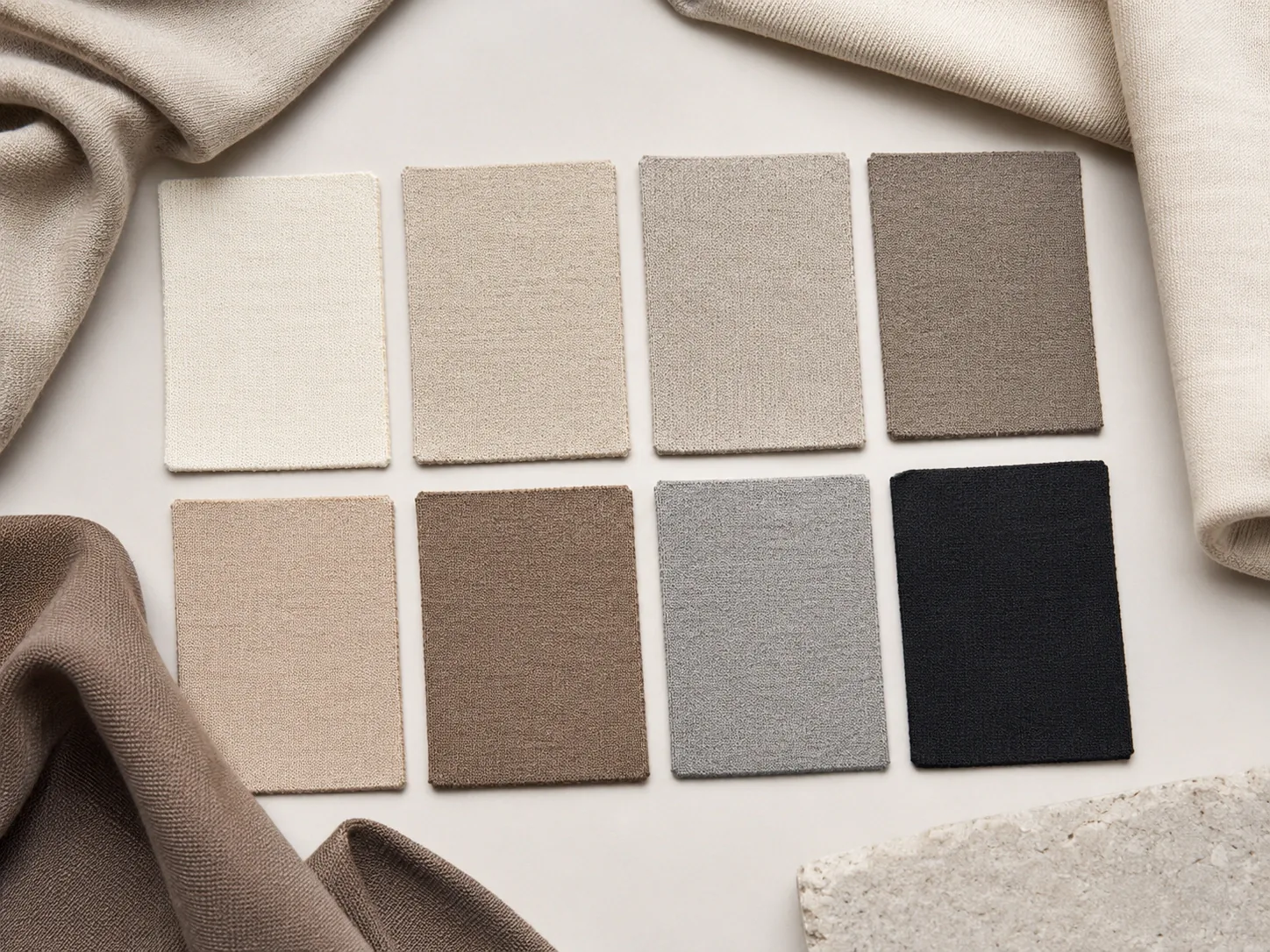
Neutrals
Black, grey, navy and beige often suggest versatility and core wardrobe value.
Pastels
Soft pink, sage and lavender often work well for wellness and yoga positioning.
Bold Tones
Bright coral, electric blue and vivid green suggest high energy and performance.
GEO Relevance
USA activewear brands often use both core neutrals and social-media-driven trend colors. European brands may lean more toward muted, curated palettes. Australia collections often perform well with relaxed tones suitable for an outdoor-lifestyle image.
Manufacturing Considerations
Color strategy affects sourcing. Brands should think about:
Color consistency
Batch repeatability
Seasonal planning
Core vs trend assortment
Matching-set coordination
Conclusion
Color psychology is a commercial tool, not just a design choice. In activewear, the right palette helps products feel more relevant and helps brands build a clearer identity.
Buyer Scenario: USA, EU and Australia Brands
USA brands often focus on fit confidence, return-rate reduction and ecommerce-ready product details. EU brands may prioritize refined construction, responsible materials and documentation. Australia brands often balance active performance with outdoor lifestyle comfort. Buyers should confirm project-dependent ranges for MOQ, sample timing, bulk lead time, fabric GSM, size tolerance, logo method, packaging and quality control before bulk approval.
Manufacturing depth
How Color Psychology Shapes Activewear Sales should be evaluated as a manufacturing decision, not only a marketing topic. For activewear projects, buyers should connect product function, fabric performance, construction method, logo technique, packaging and inspection requirements before comparing quotations. These points influence sample accuracy, wearer comfort, return risk and repeat-order stability.
Canting Activewear is a China-based OEM/ODM activewear manufacturer helping global brands develop custom yoga wear, tennis apparel and private label sportswear with engineering-level manufacturing support.
Engineering and buyer confirmation points
Before bulk production, buyers should confirm the material code, GSM or fabric weight range, stretch and recovery expectations, key measurement tolerance, seam construction, logo method, packaging format and destination-market requirements. These are typical planning points; exact standards remain project-dependent and should be approved through sample review.
- Sample review: compare fit, construction, handfeel, logo placement and wash result against the approved reference.
- Production planning: confirm quantity by color and size, fabric availability, trim readiness and packing requirements before setting a final timeline.
- Quality control: define the inspection points that matter most for the product, such as opacity, seam strength, elastic recovery, measurement tolerance and color consistency.
Buyer scenarios for USA, EU and Australia brands
USA buyers often prioritize fast sample cycles, clear sizing and ecommerce packaging. EU buyers usually pay closer attention to documentation, sustainability language and consistent material records. Australia buyers may focus on warm-weather performance, swim or resort crossover, breathable fabrics and reliable replenishment. The same product can require different confirmation details depending on market, channel and price position.
FAQ
Do colors affect activewear sales?
Yes. Color influences emotional response and product positioning.
Are neutrals always the safest option?
They are reliable, but brands often benefit from balanced core and seasonal colors.
Should color strategy vary by market?
Yes. Different regions respond to different visual cues.
Can manufacturers support multiple colorways?
Yes, but brands should plan carefully for MOQ and sourcing.
Discuss your OEM/ODM activewear project
Planning a new activewear collection color strategy? Share your market focus to discuss colorways, matching sets and production planning.
Request a Quote