Quick Answer
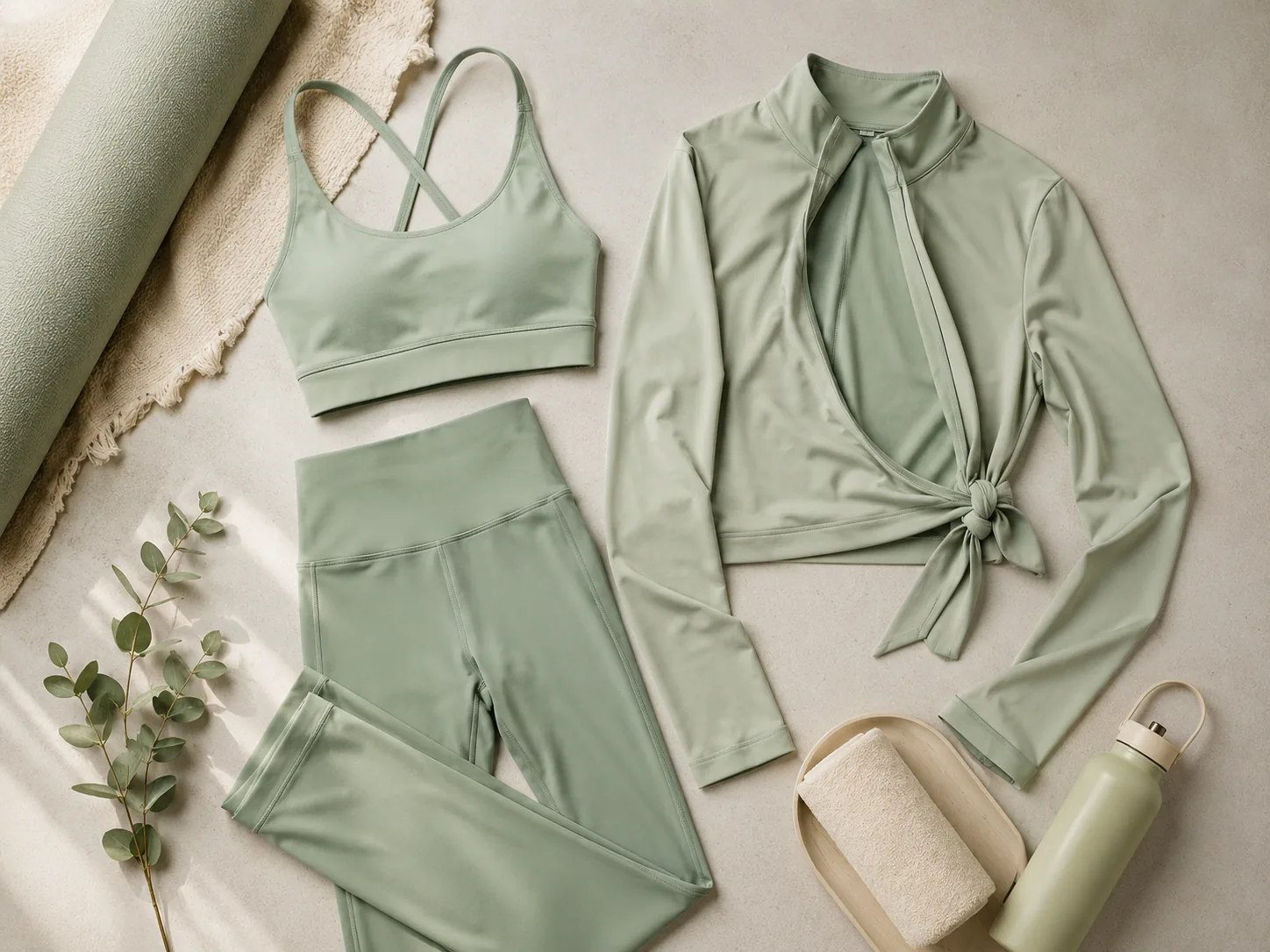
How to Choose a Yoga Wear Manufacturer for Private Label Brands focuses on yoga-specific supplier fit and fabric review for leggings, sports bras, tanks and studio capsules. Buyers should confirm technical details, quantity, branding and packing before asking for a final price.
Buyer scenario
Yoga wear sourcing depends on comfort, opacity and recovery, not only the ability to sew activewear.
Planning ranges to confirm
- Leggings often need 220-300 gsm planning range; bras may need 240-320 gsm with lining.
- Fit samples should check squat coverage, waistband roll, strap comfort and seam feel.
- Low-MOQ planning is easier with stock colors and shared fabrics.
Samples, MOQ and approval notes
For leggings, sports bras, tanks and studio capsules, use these ranges as initial planning guidance, not fixed guarantees. MOQ, sample time and bulk calendar should be confirmed after reviewing fabric, construction, colors, quantity, logo method, packaging and expected revisions.
Quality points before shipment
Before shipment, compare production against the approved sample and review leggings, sports bra, private label, measurements, size tolerance, color, logo placement, labels, packaging and carton marks. Buyers should confirm the inspection scope by project before bulk release.
Internal sourcing links
Continue planning with Yoga Wear, Activewear Fabric Selection Guide for B2B Buyers, Sample Development, Request Quote.
Buyer Checklist
- Define leggings, sports bras, tanks and studio capsules.
- Confirm fabric, size range and quantity by color.
- Approve sample and fit comments.
- Confirm logo, labels and packaging.
- Review QC points before shipment.
Buyer decision table
| Area | What to review | Why it matters |
| Leggings | Opacity, rise, waistband | Test movement before approval |
| Sports bra | Support, lining, straps | Small changes affect comfort |
| Private label | Subtle logo and packaging | Supports studio positioning |
Manufacturing depth
How to Choose a Yoga Wear Manufacturer for Private Label Brands should be evaluated as a manufacturing decision, not only a marketing topic. For yoga wear, buyers should review squat-proof performance, waistband recovery, gusset shape, four-way stretch, seam comfort, fabric handfeel and wash stability before approving a sample. These points influence sample accuracy, wearer comfort, return risk and repeat-order stability.
Canting Activewear is a China-based OEM/ODM activewear manufacturer helping global brands develop custom yoga wear, tennis apparel and private label sportswear with engineering-level manufacturing support.
Engineering and buyer confirmation points
Before bulk production, buyers should confirm the material code, GSM or fabric weight range, stretch and recovery expectations, key measurement tolerance, seam construction, logo method, packaging format and destination-market requirements. These are typical planning points; exact standards remain project-dependent and should be approved through sample review.
- Sample review: compare fit, construction, handfeel, logo placement and wash result against the approved reference.
- Production planning: confirm quantity by color and size, fabric availability, trim readiness and packing requirements before setting a final timeline.
- Quality control: define the inspection points that matter most for the product, such as opacity, seam strength, elastic recovery, measurement tolerance and color consistency.
Buyer scenarios for USA, EU and Australia brands
USA buyers often prioritize fast sample cycles, clear sizing and ecommerce packaging. EU buyers usually pay closer attention to documentation, sustainability language and consistent material records. Australia buyers may focus on warm-weather performance, swim or resort crossover, breathable fabrics and reliable replenishment. The same product can require different confirmation details depending on market, channel and price position.
FAQ
What makes this topic different?
It focuses on yoga-specific supplier fit and fabric review for leggings, sports bras, tanks and studio capsules, so buyers should confirm technical details before comparing prices.
What planning range should buyers review?
Leggings often need 220-300 gsm planning range; bras may need 240-320 gsm with lining.
How does this affect MOQ?
MOQ depends on style, color, fabric, logo method, packaging and quantity. Buyers should confirm it by project instead of assuming one fixed number.
What should be approved before bulk?
Sample, measurements, fabric, logo, labels, packaging and inspection expectations should be clear before bulk production.
Ready to prepare your sourcing project?
Contact XIAMEN CANTING GARMENT CO., LTD to discuss fabric, samples, logo, packaging, quality control and bulk production for your project.
Request a Quote